





The US Food and Drug Administration (FDA) has published its final guidance, Psychedelic Drugs: Considerations for Clinical Investigations, providing clearer direction for Sponsors developing psychedelic treatments.
The guidance covers several areas of drug development, including manufacturing, nonclinical research, clinical pharmacology, abuse potential, trial design and safety. For Sponsors, some of the most important considerations relate to psychological support, participant monitoring, functional unblinding and longer-term follow-up.
Its publication comes at a pivotal moment for the sector. Eli Lilly has announced an agreement to acquire AtaiBeckley, a clinical-stage biotechnology company developing treatments for mental health conditions. The agreement values AtaiBeckley at approximately $2.8 billion upfront, with up to a further $1 billion linked to development and regulatory milestones.
What does the FDA guidance mean for Sponsors?
The FDA makes clear that psychedelic drug programmes must meet the same standards as other drug development programmes, while recognising that these studies present some specific challenges. Sponsors should therefore consider:
- Psychological support: Protocols should clearly describe whether treatment will be paired with psychological support or psychotherapy, explain why this model has been chosen and set out how its potential influence on the results will be assessed.
- Functional unblinding: The noticeable effects of psychedelic drugs may reveal whether a participant has received the investigational treatment or a placebo. Sponsors should consider suitable control strategies and ways to assess and reduce potential bias.
- Participant safety: Participants may remain in a vulnerable state for several hours or longer. The guidance therefore sets out specific expectations for session monitoring, staff qualifications, informed consent and the documentation of psychedelic effects.
- Longer-term follow-up: Studies should assess how long any treatment benefits last, the safety and effectiveness of repeat dosing and whether participants experience symptom recurrence or require further treatment.
Dr Shoona Vincent, Vice President of Clinical Science at MAC Clinical Research, commented:
“The guidance gives Sponsors a much clearer understanding of the issues the FDA expects them to address when designing psychedelic studies. For UK studies that may support a US or global development programme, the key is to build areas such as psychological support, safety monitoring, bias control and longer term follow up into the protocol from the outset. Clearer expectations should help Sponsors design stronger studies and ultimately generate more robust evidence on the safety and potential benefits of these treatments.”
Why does Lilly’s proposed acquisition matter?
The proposed acquisition would give Lilly access to AtaiBeckley’s pipeline, led by BPL-003, an intranasal formulation of mebufotenin benzoate, a synthetic form of 5-MeO-DMT being developed for treatment-resistant depression. The programme has received FDA Breakthrough Therapy Designation and has begun Phase 3 activities.
The scale of the proposed deal and the involvement of a global pharmaceutical company suggest that psychedelic treatments are becoming a more established part of neuroscience drug development. Lilly’s resources and experience could help move these programmes forward, although the scientific, operational and regulatory challenges remain.
For Sponsors, this increases the importance of designing studies that can produce reliable evidence, meet regulatory expectations and support treatments that could eventually be delivered at scale.
What does this mean for UK studies?
The FDA guidance does not replace the regulatory, ethical or controlled drug requirements governing clinical trials in the UK. However, it is likely to influence UK studies that form part of global development programmes, particularly where the data may support a future FDA submission.
Sponsors should therefore consider these expectations when developing UK protocols, selecting sites and planning psychological support, participant monitoring and longer-term follow-up. As larger pharmaceutical companies become more involved in the field, sites will also need to demonstrate that they have the facilities, staff and experience required to deliver these complex studies consistently.
MAC Clinical Research’s experience
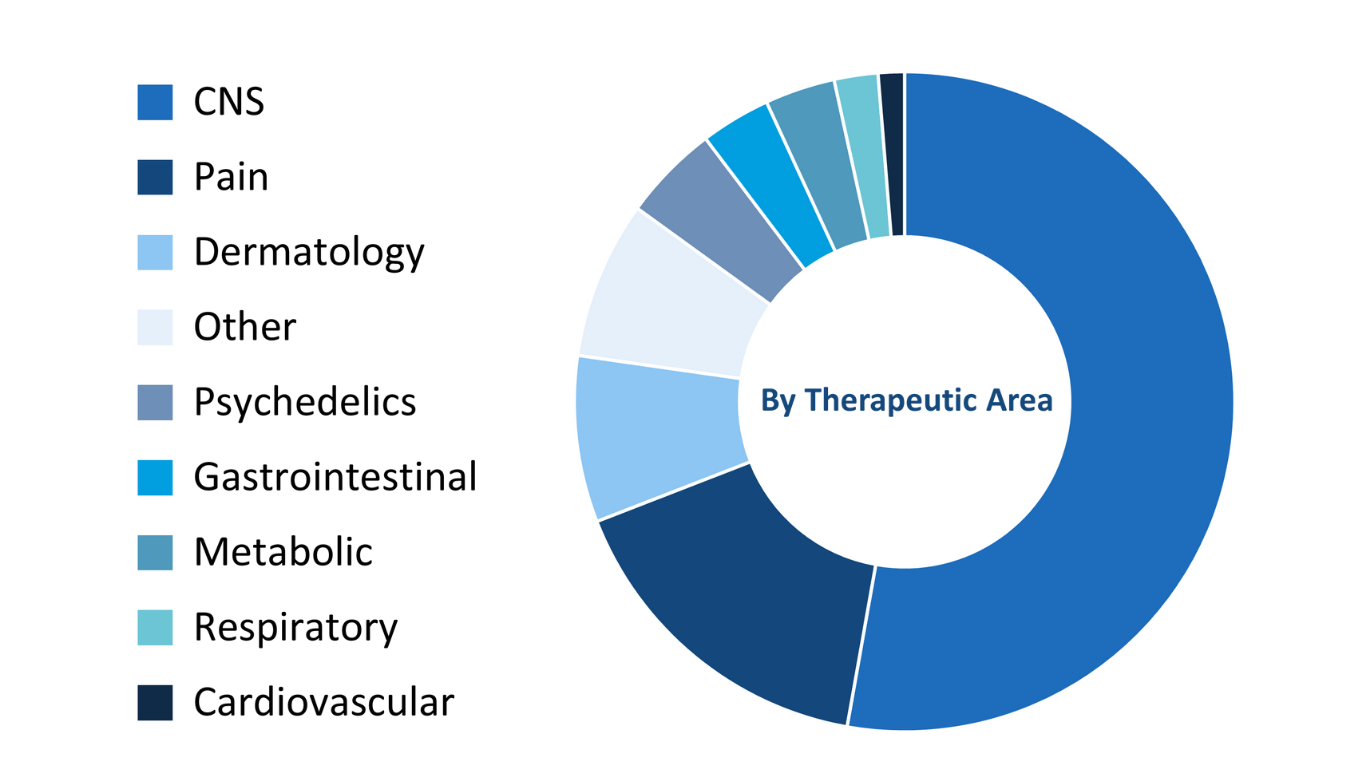
Over the past five years, MAC has conducted more than 15 psychedelic and dissociative drug studies, including work involving psilocybin, DMT, LSD and ibogaine.
To support the safe and effective delivery of these studies, MAC has dedicated psychedelic testing suites designed to provide participants with a private, secure and calming environment, including overnight capabilities. Studies are supported by multidisciplinary teams that include psychiatrists, psychologists, psychotherapists, facilitators, clinical rating specialists and experienced nursing staff with expertise in psychedelic research, participant support and monitoring for psychological distress.
You can find out more about MAC’s experience working with psychedelics here, read the FDA’s final guidance here and learn more about Lilly’s proposed acquisition of AtaiBeckley here.